Cataloging the kinds of innovation that can add value in particular fields and recognizing the forces that aid and undermine those advances can reveal insights on how to treat persistent innovation illsprescriptions that will make any market healthier. A variation of this short article appeared in the May 2006 issue Drug and Alcohol Treatment Center of Harvard Business Evaluation.
The pressure on our sprawling health care system in the U.S. has never ever been greater. There's an immediate requirement to expand screening and treatment for COVID-19 to all homeowners who require it, no matter health insurance status. Enormous federal money increases have sought to shore up health centers sagging under the weight of the coronavirus burden and the associated cessation of elective surgery and regular medical care.
led other industrialized countries in high spending on health care and getting a low bang for the dollar in regards to health results and the percentage of the population served. Life span in the U.S., for example, is 78. 8 years, while it varies from 80. 7 to 83. 9 in 10 other high-income countries, according to an influential study in the Journal of the American Medical Association (JAMA).
has health insurance coverage, compared to 99% to 100% of the population in the other industrialized countries examined. COVID-19 has increased pressure on our extremely intricate and pricey healthcare system, making it more immediate to decrease expenses. One factor for high expenses is administrative waste - how is canadian health care funded. Suppliers face a big selection of usage and billing requirements from numerous payers, which makes it necessary to work with costly administrative help for billing and compensations.
The Best Strategy To Use For Who Led The Reform Efforts For Mental Health Care In The United States?
Hospitals, medical professionals, and nurses all charge more in the U.S. than in other nations, with healthcare facility expenses increasing much faster than professional salaries. In other nations, costs for drugs and health care are at least partly controlled by the federal government. In the U.S. rates depend upon market forces. The high cost of health care affects everyone, sick or well.
Incomes for American workers have actually increased, but net pay has actually stayed the same because of increasing charges for health insurance coverage. Today, tightening up on overspending is urgent to assist stretch medical and medical facility resources to control COVID-19. Here are six hidden factors for the high expense of health care in the U.S.
The U.S. spends about 8% of its healthcare dollar on administrative expenses, compared Alcohol Rehab Center to 1% to 3% in the 10 other nations the JAMA research study looked at. The U.S. healthcare system is very complex, with separate rules, funding, registration dates, and out-of-pocket expenses for employer-based insurance, private insurance from healthcare.
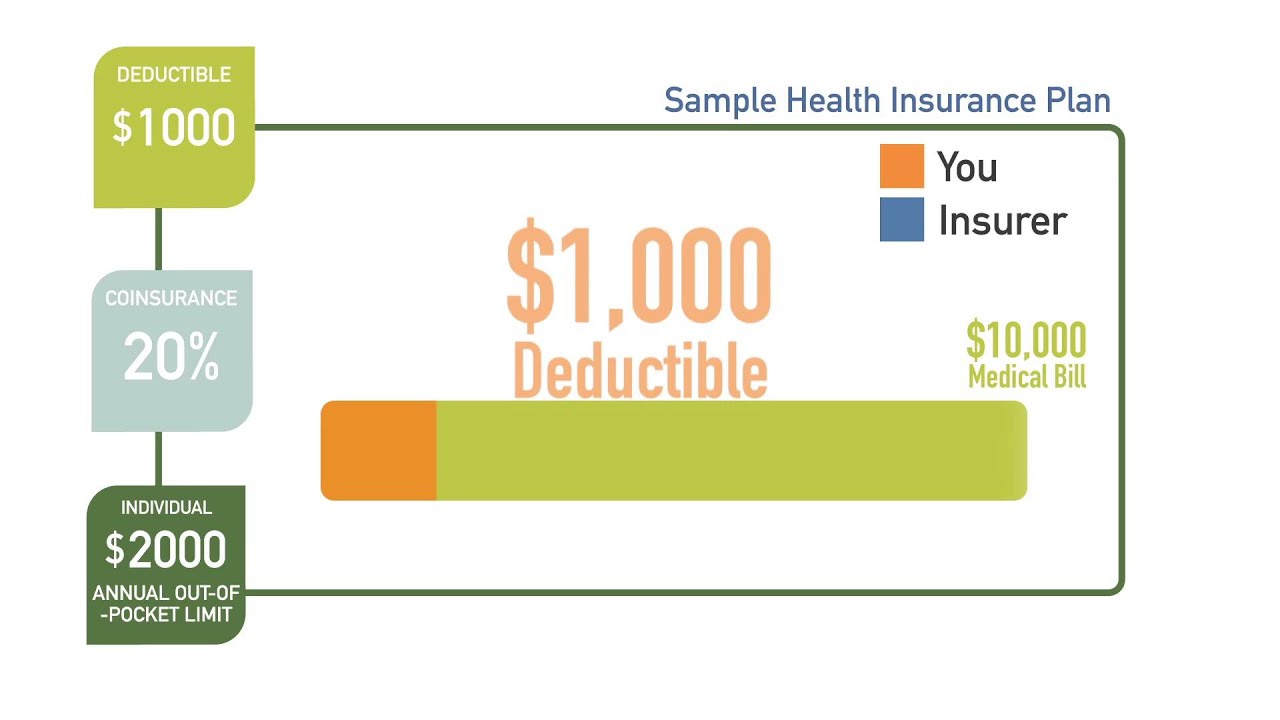
In each of these sectors customers should choose among a number of tiers of protection, high deductible strategies, managed care plans (HMOs and PPOs) and fee-for-service systems. These strategies may or may not include pharmaceutical drug insurance which has its own tiers of protection, deductibles, and copays or coinsurance. For suppliers, this indicates handling myriad policies about use, coding, and billing.
Little Known Questions About How Was The Medicare Pps System Designed To Curb Escalating Health Care Costs?.
Typically, Americans spend almost four times as much for pharmaceutical drugs as people of other industrialized nations pay. High drug rates are the single greatest location of overspending in the U.S. compared to Europe, where drug prices are federal government regulated, often based on the medical benefit of the medication.
spends an average of $1,443 per individual, compared to $749, on average, spent by the other thriving countries studied. In the U.S. private insurance providers can work out drug rates with manufacturers, often through the services of drug store benefit managers. However, Medicare, which spends for a significant portion of the nationwide drug expenses, is not allowed to negotiate prices with makers.
family physician makes $218,173 a year, and specialists make $316,000 way above the the average in other industrialized countries. American nurses make substantially more than elsewhere, too. The average income for a U.S. nurse is about $74,250, compared to $58,041 in Switzerland and $60,253 in the Netherlands. U.S. managed care strategies (HMOs and PPOs) may succeed in decreasing health care expenses by needing previous authorization for seeing a pricey specialist.
The expense of a health center birth in the U.S., which is over $7,000 more than the expense in the Netherlands. Healthcare facility care represent 33% of the country's health care costs. Between 2007 and 2014, costs for inpatient and outpatient healthcare facility care increased much faster than doctor costs, according to a 2019 research study in Health Affairs.
Avedis Donabedian Defined Health Care Quality As Having Which Of The Following Components? - Truths
costs for surgical procedures in medical facilities considerably surpass those of other nations. A normal angioplasty to open a blocked blood vessel, for example, costs $6,390 in the Netherlands, $7,370 in Switzerland, and $32,230 in the United States. Similarly, a heart bypass operation in the U.S. costs $78,100 compared to $32,010 in Switzerland.
What's more, the cessation of elective surgical treatment and badly decreasing provider check outs because of the coronavirus lockdown represent a big part of the decrease in the total economy. Both physicians and health centers have an interest in preventing suits, so "just in case" tests and scans might be bought. And these tests can be pricey! While a CT scan expenses simply $97 in Canada and $500 in Australia, the typical cost is $896 in the U.S.
Researchers have actually concluded that it's not the large variety of tests and treatments but their high rate that discusses why it's so pricey to be sick in the U.S. Because of the intricacy of the system and the lack of any set prices for medical services, companies are free to charge what the market will bear.
e. personal insurance coverage or government programs, such as Medicare or Medicaid) and geographical location. For COVID-19, for example, the expense of an urgent care go to and laboratory tests averages $1,696, however can range from a low of $241 to a high of $4,510 depending on the service provider. A lot of other industrialized nations control expenses, in part, by having the federal government play a stronger function in working out prices for health care.
What Does Why Is Free Health Care Bad Do?
As the international overseers of their country's systems, these federal governments have the capability to work out lower drug, medical devices, and medical facility costs. They can affect the treatments used and patients' ability to go to professionals or look for more expensive treatments. Consumers might have less options, but expenses are controlled. In the U.S., an absence of political support has prevented the federal government from taking a larger role in managing healthcare expenses.
Now that the costs connected to COVID-19 threaten to swamp both the healthcare system and government budgets, the time for modification may be at hand.
Health care refers to the arranged arrangement of medical care to individuals and neighborhoods. By that meaning, healthcare careers do not simply consist of doctors, nurses, and other frontline clinicians who often come to mind initially when individuals think about health care tasks. Administrators, therapists, chiropractic doctors, paramedics, and technology specialists all have a location in helping people live well.
In general, people who operate in this sector have hearts to serve others and intellectual interests in math and science (what is a health care delivery system). Some healthcare occupations require lots of years of official education. Anesthesiologists, surgeons, and eye doctors, for example, require approximately 12 years of college. Nevertheless, other healthcare specialists require just a couple of months to begin their careers.